






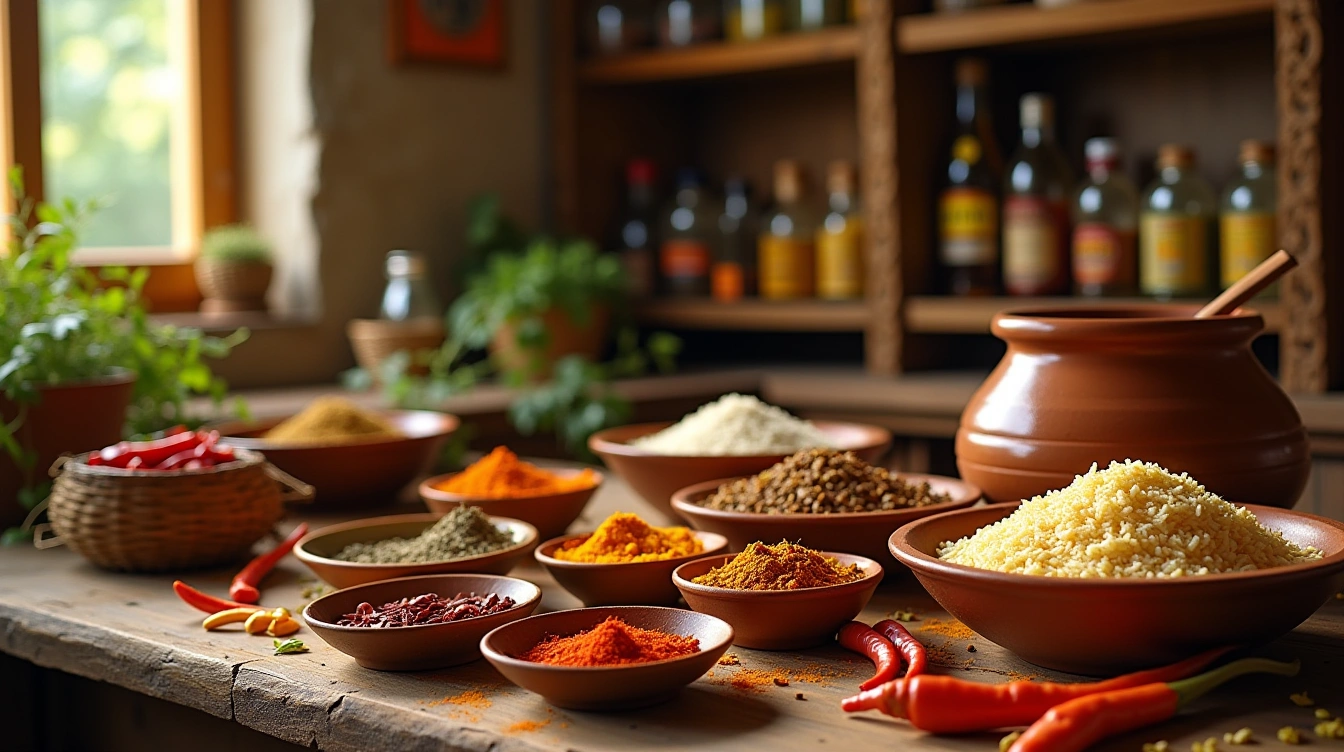
Step into any Indian kitchen and you’ll be greeted by a vibrant array of spices, grains, and pulses that have shaped global cuisine for generations. These Indian pantry essentials are the backbone of both daily meals and celebratory feasts. Whether you’re just starting your culinary journey or looking to master traditional flavors, understanding these key staples is essential for creating dishes that truly capture the essence of India.
What are the building blocks of an Indian pantry?
An Indian pantry offers remarkable diversity, with ingredients chosen for their flavor, nutrition, and versatility. While regional tastes vary, certain elements—such as spices, dried lentils, rice, flours, and oils—form the core across North and South India.
Also read : Discovering the best beauty salon experience in london
By keeping these fundamentals on hand, you gain flexibility in the kitchen and can prepare wholesome, flavorful meals at a moment’s notice. Let’s explore the ingredients that form the true heart of Indian cooking.
The heart of Indian flavors: spices and aromatics
Also read : Marble floor cleaning in london: achieving brilliance with care
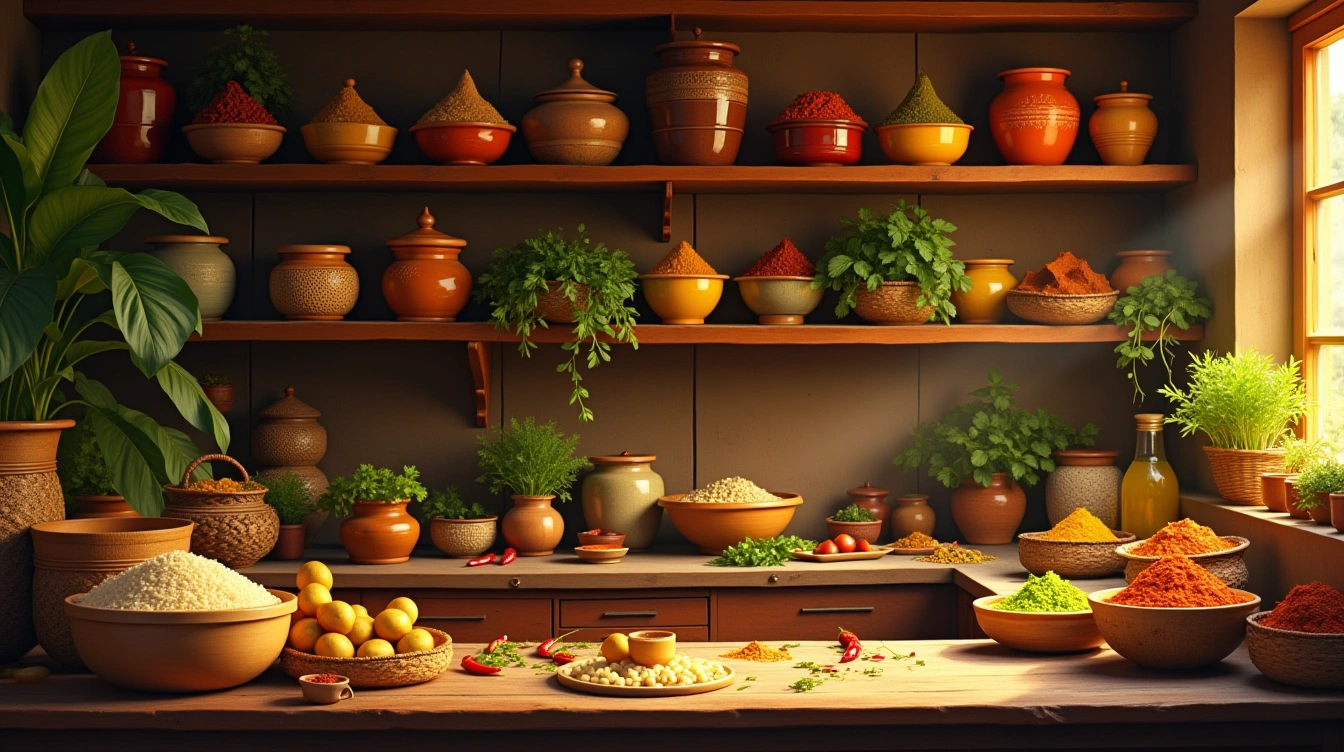
Spices are the soul of Indian cuisine, infusing each dish with depth and excitement. Through artful combinations of seeds, roots, barks, and berries, every meal boasts its own unique character. Essential aromatics such as garlic and ginger further enrich the base of curries, dals, and stir-fries. If you’re assembling your kitchen from scratch, it’s helpful to get familiar with all the indian pantry essentials you’ll need.
These flavor agents may be used whole, ground, toasted, or tempered in hot oil, enhancing simple vegetables, grains, and proteins into memorable creations.
Key spices in every pantry
No Indian kitchen is complete without jars of cumin, coriander, turmeric, mustard seeds, and red chili powder. Other prized options include cloves, cinnamon, cardamom, fenugreek, and asafoetida, which lend distinctive notes to regional specialties. If you’re assembling your spice rack, begin with these basics:
- 🌱 Cumin seeds – Earthy foundation for many recipes
- ✨ Coriander powder – Citrusy, sweet undertones
- 🌕 Turmeric powder – Adds color and gentle warmth
- 🔥 Red chili powder – From mild to intensely spicy
- 🟡 Mustard seeds – Pungent and crunchy texture
For added convenience, keep ready-to-use pastes like garlic-ginger on hand for quick meal prep.
Aromatics and flavor enhancers
Fresh ingredients such as onions, tomatoes, green chilies, and curry leaves create foundational layers of taste. Pantry must-haves also include tangy tamarind pulp, dried mango powder, and mineral-rich rock salt, all of which help balance and deepen savory or sour flavors.
Together, these spices and aromatics deliver the unmistakable aromas that signal genuine Indian food.
Pulses: exploring lentils, dals, legumes, beans, and peas
Across India, lentils and other pulses serve as a vital source of protein, especially in vegetarian homes. Each region favors its own varieties, transforming simple beans and peas into hearty stews, crispy snacks, or fermented batters for classics like dosa and idli.
Maintaining a selection of dals and legumes ensures variety in both taste and nutrition. When stored dry and airtight, these staples stay fresh for months.
- 🍛 Toor dal (split pigeon peas) – Essential for southern sambar
- 🌾 Chana dal (split Bengal gram) – Nutty and dense texture
- 🔴 Masoor dal (red lentils) – Quick-cooking and mild
- ⚫ Urad dal (black gram) – Key for dosas and idlis
- 🫘 Rajma (kidney beans) – Popular in northern gravies
- 🥣 Chickpeas/garbanzo beans – Star in chole and chaats
Rice, grains, and flours: staple carbohydrates in every meal
Grains are the anchor of most Indian meals. While rice dominates eastern and southern diets, wheat-based foods are beloved in the north. Stocking several varieties allows you to offer diverse textures and flavors effortlessly.
Basmati rice, celebrated for its fragrance and long grains, pairs beautifully with rich gravies. Flatbreads from whole wheat flour (atta) or chickpea flour (besan) accompany vegetables and dals throughout the country.
| 🍚 Grain/flour | 💡 Usages | 🌎 Regions |
|---|---|---|
| Basmati rice | Special occasions, biryanis | North India |
| Short-grain rice | Daily meals, pongal, kheer | South/East India |
| Whole wheat flour (atta) | Chapati, roti, paratha | Pan-India |
| Chickpea flour (besan) | Pakoras, sweets, pancakes | West/North India |
Alternative grains such as millet and semolina feature in breakfast porridges and upma, adding even more variety to the menu.
Oils, fats, ghee, and nuts: supporting textures and enriching flavor
The choice of cooking medium shapes both the flavor and nutritional profile of a dish. Ghee imparts a signature aroma and luxurious mouthfeel, while oils such as mustard, coconut, and peanut suit different regions and techniques—from deep-frying to tempering spices.
Nuts and seeds bring richness and crunch. Cashews and peanuts are often stirred into sauces, while sesame and poppy seeds thicken and embellish select recipes.
- 🧈 Ghee – Clarified butter for nutty, aromatic finish
- 🥥 Coconut oil – A staple in coastal cuisines
- 🪔 Mustard oil – Distinctive in Bengali specialties
- 🥜 Peanuts, cashews, almonds – Used as garnish, thickener, or snack
- 🌻 Sunflower, safflower oil – Versatile, neutral frying bases
Vegetables, fruits, and sweeteners: fresh accents and finishing touches
Seasonal vegetables transform basic dals and grains into colorful stews, stir-fries, or salads. Staples like potatoes, tomatoes, eggplants, and leafy greens appear regularly, while limes, mangoes, and bananas add brightness and contrast to mains and condiments.
Sweeteners play a special role. Jaggery, made from raw sugarcane, delivers minerals and a mellow sweetness to desserts and drinks, and balances spicy dishes. Honey and dates provide regional alternatives, each contributing distinctive flavor and tradition.
Shelf helpers: ready-to-use essentials, pickles, and condiments
Contemporary kitchens benefit from pre-mixed masalas and convenient ready pastes such as tomato puree, tamarind concentrate, or ginger-garlic blends. These time-savers make it easy to achieve authentic flavors on busy days.
Flavor-packed pickles and chutneys—often based on mango, lime, or mixed vegetables—add instant zest to any meal. Shelf-stable papadums and fried snacks bridge the gap between preparation and serving, providing satisfying bites with minimal effort.
- 🥄 Garam masala – All-purpose finishing spice blend
- 🍋 Mango/lime/citrus pickles – Tangy, spicy accents
- 🥒 Mint/coriander chutney – Cool, refreshing dips
- 🟢 Ready paste – Instant base for curries and gravies
- 🥠 Papadum, savory chips – Crunchy sides for any meal
Frequently asked questions about stocking an Indian pantry
Which spices should be bought whole versus ground?
Opt for whole forms of versatile spices like cumin, coriander, and mustard because they retain freshness and release more aroma when roasted or crushed before use. Ground options work best for turmeric, red chili powder, and garam masala, where swift blending is needed. Grinding your own at home delivers richer, more nuanced flavors.
- 🌾 Whole: cumin, coriander, cardamom, cloves
- 🌶️ Ground: turmeric, chili powder, premixed masala
Is it necessary to buy multiple varieties of lentils?
You can cover a broad spectrum of recipes with just two or three common lentils such as toor dal, moong dal, and chickpeas. Expanding your collection over time allows you to experiment with additional textures and preparations as your confidence grows.
- 🟡 Toor dal – Great for everyday use
- 🟢 Moong dal – Light and easily digestible
- 🥣 Chickpeas – Versatile and filling
Can I substitute oils in Indian recipes?
While some dishes rely on specific oils for authenticity, such as mustard oil in Bengali cuisine, you can generally use sunflower or vegetable oils as neutral substitutes. This flexibility maintains safety and preserves most of the intended flavor for everyday cooking.
| 🪔 Oil type | 🧑🍳 Common uses |
|---|---|
| Mustard oil | Bengali pickles, fish fries |
| Coconut oil | Kerala stews, curries |
| Sunflower/vegetable oil | All-purpose frying and sautéing |
How should pantry staples be stored for maximum freshness?
To preserve quality, store dry goods such as spices, lentils, and grains in airtight containers away from heat and moisture. Refrigerate flours and nuts if you live in a humid climate. Clearly labeling purchase dates helps rotate stock efficiently and minimizes waste.
- 🌡️ Airtight storage – Spices, flours, pulses
- ❄️ Refrigeration – Nuts, opened flours
- 📅 Date labels – Easy shelf life tracking
Mastering these Indian pantry essentials opens the door to authentic home cooking and endless creativity. As you build your pantry, you’ll find new opportunities to discover regional specialties and adapt classic recipes to your own taste. What will you try first on your journey through India’s culinary landscape?