










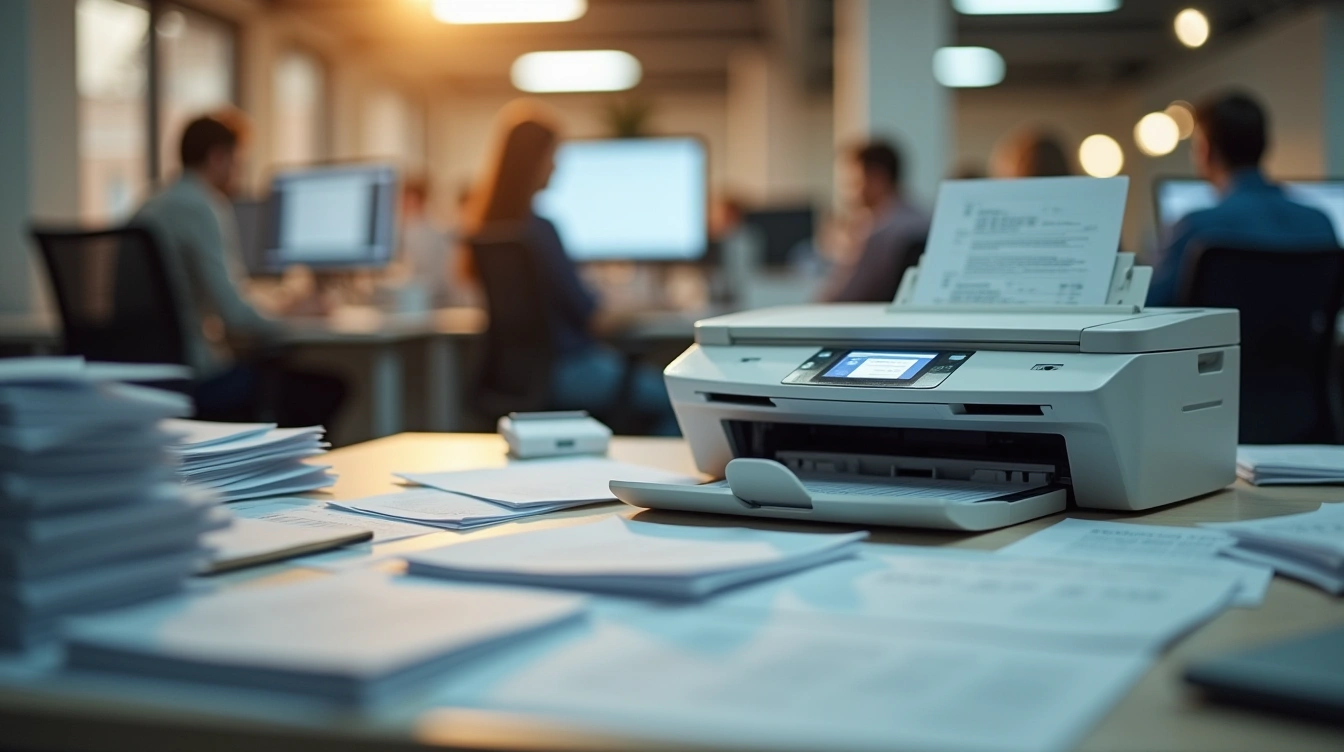
Stacks of paper can overwhelm any workspace, making document retrieval slow and complicating organization. Document scanning provides a modern alternative that streamlines workflows across industries and households. As businesses and individuals pursue more efficient systems, adopting paperless solutions has become the new standard for maintaining records and securing important files.
From small receipts to lengthy contracts, the ability to scan to PDF or other formats saves valuable time and resources. With evolving technology, users now benefit from mobile scanning apps and advanced features such as text recognition (OCR) to manage daily administrative tasks with ease. Digital storage keeps data always accessible, offering peace of mind while helping reduce physical paperwork.
Also to read : Achieve a-level maths success with effective online preparation
How does document scanning work?
At its core, document scanning converts physical files into digital images. A scanner—whether desktop or mobile—captures each page and transforms it into an editable, shareable digital file. This process secures documents electronically, protecting them from loss, damage, or misplacement over time.
While basic scanners create image-only files, technological advances now offer options like searchable PDFs, enabling users to find keywords within files using text recognition (OCR). This capability boosts efficiency by allowing quick searches through large volumes of scanned content.
Also read : The evolving impact of a personal branding consultant on modern careers
Key benefits of document scanning services
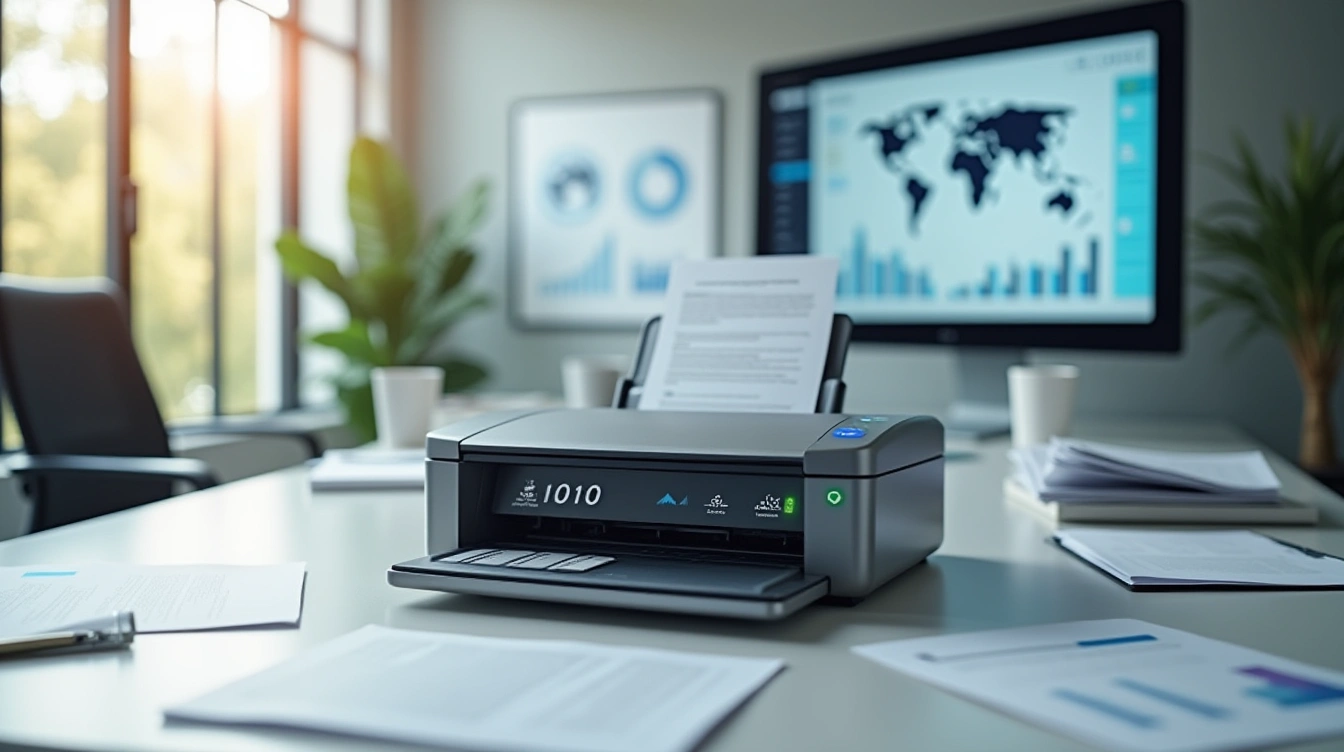
Relying on professional document scanning services brings significant advantages for organizations aiming to modernize their workflows. For example, businesses seeking a seamless transition from paper to digital often turn to Document scanning specialists to ensure accuracy and security throughout the conversion process.
Providers often use advanced software for quality control, standardized naming conventions, and seamless integration with document management systems. Their expertise is crucial in legal, medical, financial, and educational settings where rapid access to information is essential.
Security and compliance in electronic storage
Many industries must comply with strict regulations regarding records retention and privacy. Secure digital storage supports compliance by enabling access controls, audit trails, and encrypted backups.
Sensitive documents are protected by multiple layers of security, minimizing risks associated with unauthorized access or accidental loss. Cloud storage platforms reinforce these measures, providing both flexibility and real-time monitoring.
Improved accessibility and searchability
Scanning paper documents not only frees up office space but also enhances accessibility. Authorized users can retrieve files instantly, whether working onsite or remotely.
Searchable PDFs, powered by precise text recognition, allow users to locate exact phrases or numbers within thousands of pages, dramatically reducing research times. This functionality also simplifies updates, keeping records accurate and current.
Popular use cases for document scanning
Document scanning adapts to diverse contexts, benefiting both personal organization and corporate operations. It addresses everyday needs and long-term archival projects alike.
Common applications range from simple archiving to regulatory-intensive sectors such as finance, healthcare, law, and education. Flexible formats support everything from invoices to complex project blueprints.
Scanning receipts and forms
Receipts, forms, and purchase orders accumulate quickly and are easy to misplace. Digitizing these everyday items enables organized expense tracking and simplifies financial reporting.
Mobile scanning apps add convenience by letting users capture receipts and forms instantly, often converting them into searchable PDFs via built-in OCR. This approach streamlines reimbursement, tax filing, and budget analysis.
Preserving historical and legal documents
Fragile manuscripts and critical legal agreements demand careful handling. Specialized scanning services cater to delicate materials, preserving content without risk of damage.
Digitization shields documents from deterioration due to humidity, light, or mishandling. Legal professionals benefit from reliable document management for case files, contracts, and court evidence.
- 📱 Mobile scanning apps simplify fieldwork and remote business operations
- 🔒 Secure cloud storage keeps sensitive data safe and accessible
- 🧾 Scanning receipts and forms helps track finances
- 🔎 Text recognition (OCR) enables fast document search
- 💼 Paperless solutions support efficient document management practices
Essential features of modern scanning tools
Improvements in scanning technology have raised expectations for document conversion and management. Today’s tools go far beyond single-page scans, incorporating automation and integration for smarter workflows.
Users seek intuitive interfaces and compatibility with existing document management systems to avoid redundant steps. Regular updates and user-focused design help address ongoing challenges.
Text recognition and creation of searchable PDFs
Optical Character Recognition (OCR) stands out among recent scanning innovations. Once a page is scanned, the tool analyzes printed or handwritten content and converts it into machine-readable text.
With OCR-processed files, anyone can extract, copy, or edit content directly—eliminating the need for manual retyping. Searchable PDFs produced this way facilitate knowledge sharing, collaboration, and research.
Integration with digital and cloud storage
Seamless uploads to cloud storage and digital archives are now a top priority. Many solutions provide direct links between hardware or mobile apps and leading document repositories.
Automated workflows enable instant categorization, tagging, and secure backup. These integrations let users share files company-wide or collaborate on edits in real time, advancing paperless solutions and saving valuable time.
| 📌 Feature | 🖨️ Traditional scanners | 📱 Mobile scanning apps |
|---|---|---|
| Scan to PDF | ✔️ Yes | ✔️ Yes |
| Text recognition (OCR) | ✔️ Often with software | ✔️ Integrated/automatic |
| Cloud storage sync | ❌ Sometimes limited | ✔️ Direct/in-app |
| Portability | ❌ Not portable | ✔️ Fully portable |
Frequently asked questions about document scanning explained
What types of documents benefit the most from scanning?
Scanning is valuable for nearly any paper you want to digitize, but it is especially effective for documents you reference often or need to keep long term. Examples include contracts, receipts, tax forms, legal filings, employee records, and historical archives.
- 📄 Contracts and agreements
- 🧾 Receipts and expense records
- 📊 Invoices and payment statements
- 🏫 Academic and student files
How does text recognition (ocr) improve scanned documents?
OCR transforms scanned images into machine-readable text, so users can search, copy, or edit details directly within the file. This feature streamlines workflows and reduces errors from manual data entry.
- 🔍 Enables keyword searching within large documents
- ✂️ Facilitates editing and copying sections of text
- ⚡ Helps automate data extraction for document management
Which is better: using traditional scanners or mobile scanning apps?
The ideal method depends on your specific needs. Traditional scanners deliver high-quality images and are suited for bulk scanning, while mobile scanning apps offer portability and direct upload to digital storage. Many people choose both, selecting the most appropriate tool for each scenario.
| 📦 Method | 👍 Best for |
|---|---|
| Traditional scanner | Bulk/archival scanning |
| Mobile app | Quick, on-the-go digitization |
Can scanned documents be securely stored and accessed remotely?
Yes, with cloud storage and encrypted online platforms, scanned files remain both accessible and protected. Users can set permissions or restrict downloads, ensuring only authorized personnel view sensitive materials.
- 🔑 Password-protected access
- 📂 Centralized document management systems
- 🌐 Availability from any device
In summary, document scanning bridges the gap between traditional paperwork and efficient, digital workflows. By leveraging advanced technologies and secure storage, organizations and individuals achieve greater productivity and peace of mind. As digital transformation continues, exploring new possibilities for managing documents remains a vital step toward a more organized future.